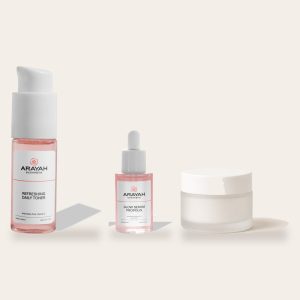
Niacinamid je zasluženo stekao mjesto među najpouzdanijim sastojcima u rutini njege kože, i to s dobrim razlogom: djeluje zajedno s vašom kožnom barijerom, a ne protiv nje. Za razliku od jačih aktivnih sastojaka koji kožu mogu učiniti reaktivnom ili je isušiti, niacinamid (oblik vitamina B3) podržava barijeru dok istovremeno donosi vidljive rezultate — ujednačeniji ton, pore koje izgledaju manje i smireniji ten u cjelini.
Na molekularnom nivou, niacinamid pomaže vašoj koži da proizvodi ceramide, lipide koji drže barijeru na okupu i sprječavaju gubitak vlage. Jača barijera znači manju osjetljivost na vremenske uslove, aktivne sastojke i svakodnevni stres, zbog čega uglavnom odgovara gotovo svakom tipu kože, uključujući i onu koja loše reagira na kiseline i retinoide.
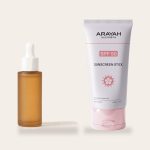
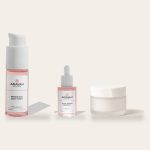
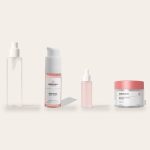
Većina formula sadrži između 2% i 10% niacinamida. Više nije automatski i bolje: koncentracije iznad 10% mogu ponekad izazvati crvenilo kod osjetljive kože, pa je početak s oko 5% i postupno povećavanje udobniji put. Naše Niacinamide Drops formulisane su u koncentraciji prilagođenoj barijeri koja se dobro nanosi u slojevima, bez zatezanja koje uzrokuju neki serumi veće jačine.
Dobra kombinacija važnija je od postotka na bočici. Niacinamid se dobro slaže s većinom drugih sastojaka, uključujući vitamin C u modernim, stabilnim formulacijama, hijaluronsku kiselinu i blage eksfolijante. Jedina kombinacija na koju treba obratiti pažnju jest vitamin C visoke jačine i niske pH vrijednosti nanesen u potpuno isto vrijeme — ako je vaša koža osjetljiva, nanošenje u različito doba dana (vitamin C ujutro, niacinamid uveče) uklanja svaki rizik od međusobnog djelovanja to dvoje na površini kože.
Najjednostavniji način da uvedete niacinamid u naviku: nanesite ga nakon čišćenja i toniranja, prije hidratantne kreme, i ujutro i uveče. Dajte mu četiri do šest sedmica prije nego što ocijenite rezultate — obnova barijere i promjene tona postupne su, a ne preko noći. Dosljednost, a ne intenzitet, čini ovaj sastojak vrijednim da ga dugoročno zadržite u svojoj rutini.